Weekly Tips!
How Talent Shortages Delay Greenhouse Expansion Projects
Greenhouse expansion projects are often delayed by a lack of qualified talent rather than construction challenges or technology limitations. As the controlled environment agriculture industry continues to grow, finding experienced growers, operations managers, and technical specialists has become increasingly difficult. Companies that fail to plan recruitment alongside expansion risk significant delays, operational inefficiencies, and missed growth opportunities.
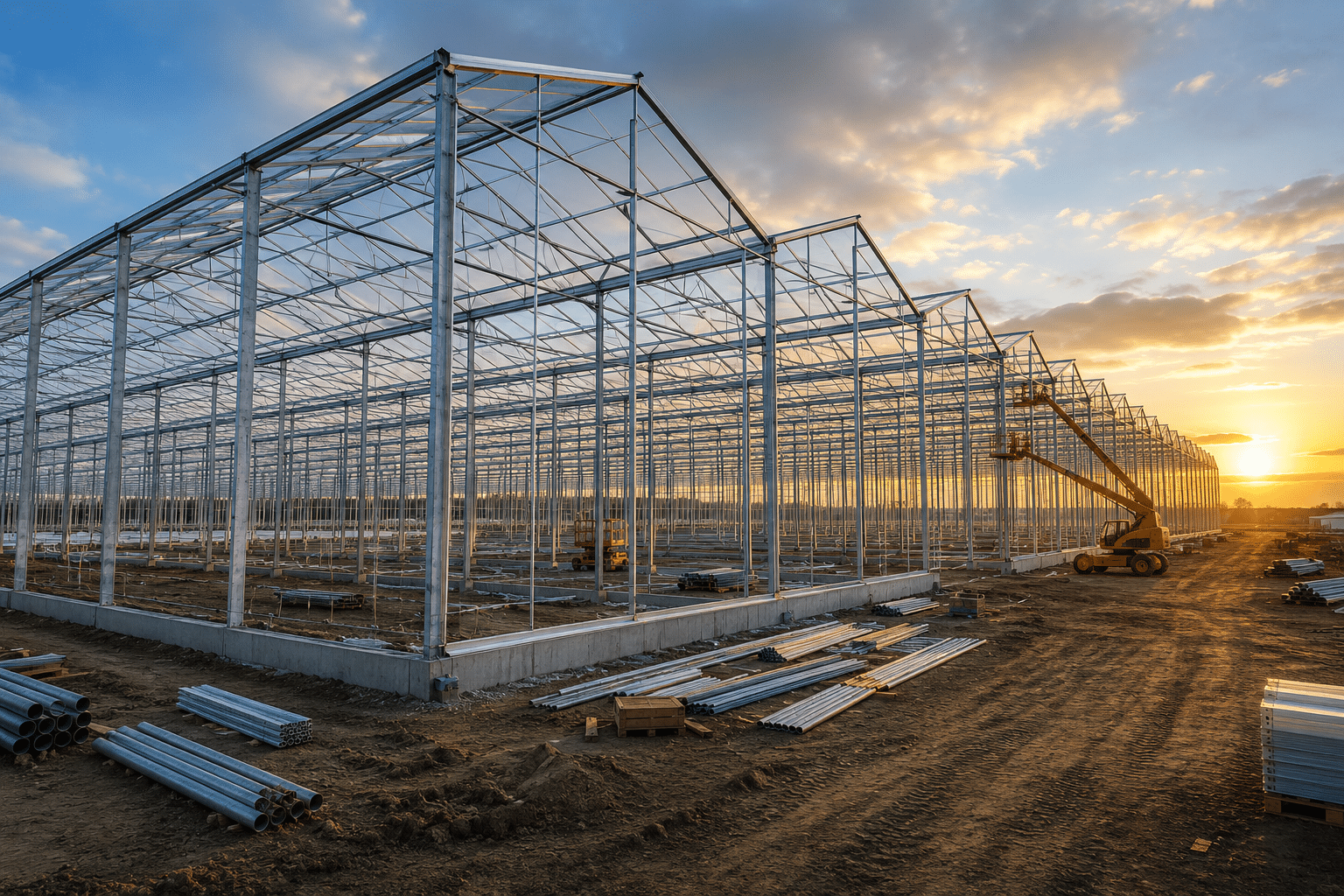
Why are talent shortages becoming a major challenge for greenhouse expansion?
Talent shortages have become a major challenge because greenhouse construction is growing faster than the available workforce.
Across Europe and North America, greenhouse companies are investing heavily in:
- New production facilities
- Greenhouse automation
- LED lighting systems
- Climate control technology
However, the number of experienced professionals entering the industry is not increasing at the same pace.
“Greenhouses are built with steel and glass, but growth is limited by talent.”
As a result, many expansion projects face delays before the first crop is even planted.
Why is it difficult to find qualified greenhouse professionals?
Finding qualified greenhouse professionals is difficult because modern growing operations require highly specialized skills.
Today’s high-tech growers must understand:
- Climate control systems
- Crop steering strategies
- Irrigation and fertigation
- Data-driven growing
- Greenhouse automation
The combination of biological, technical, and analytical expertise makes these professionals scarce.
“The more advanced the greenhouse, the smaller the available talent pool.”
How can talent shortages delay new greenhouse projects?
Talent shortages can delay projects long after construction has been completed.
Common issues include:
- Vacant grower positions
- Delayed operational startup
- Insufficient management capacity
- Increased pressure on existing teams
Many companies successfully complete the physical construction of a greenhouse but struggle to assemble the team required to operate it effectively.
“A greenhouse without the right people is simply an expensive empty building.”
What are the operational risks of expanding without the right team?
Expanding without the right team increases operational and financial risks.
Potential consequences include:
- Lower yields
- Delayed crop cycles
- Reduced product quality
- Increased operational mistakes
- Higher employee turnover
When key positions remain vacant, existing employees are often forced to absorb additional responsibilities.
“Labor shortages eventually become production problems.”
Why should recruitment start before construction is completed?
Recruitment should begin well before a greenhouse becomes operational.
Highly sought-after professionals often require:
- Notice periods
- Relocation planning
- Work permit arrangements
- Multiple interview stages
Waiting until construction is nearly finished can significantly delay startup timelines.
Successful greenhouse companies often begin recruitment six to twelve months before operational launch.
“The best time to start recruiting is before you think you need to.”
How can greenhouse companies reduce expansion delays?
Companies can reduce delays by integrating workforce planning into their expansion strategy.
Effective approaches include:
- Early recruitment planning
- International talent sourcing
- Building long-term talent pipelines
- Working with specialized recruitment partners
- Investing in employer branding
Companies that proactively address talent challenges are better positioned to scale successfully.
“Expansion is not only a construction project—it is a talent project.”
What does the future look like for greenhouse expansion?
The demand for greenhouse talent is expected to continue increasing as controlled environment agriculture expands globally.
Growth drivers include:
- Food security concerns
- Population growth
- Sustainability initiatives
- Technological advancements
This means competition for experienced growers and technical specialists will likely become even more intense.
“The future of greenhouse growth will depend as much on people as on technology.”
FAQ Introduction
These frequently asked questions address the relationship between talent shortages and greenhouse expansion projects.
Many projects are delayed because companies cannot find the qualified professionals needed to operate new facilities.
High-tech growers, operations managers, climate specialists, and technical greenhouse professionals are often the most difficult roles to recruit.
Ideally, recruitment should begin six to twelve months before the greenhouse becomes operational.
Yes. International recruitment expands the talent pool and provides access to experienced professionals who may not be available locally.
Most industry experts expect talent shortages to remain a challenge as greenhouse investments continue to grow worldwide.
Conclusion
Greenhouse expansion projects are increasingly constrained by talent availability rather than technology or infrastructure. While companies continue to invest in larger and more advanced facilities, the shortage of experienced greenhouse professionals remains one of the biggest barriers to growth. Organizations that integrate recruitment into their expansion strategy from the start will be best positioned to scale efficiently and successfully.
Building better teams, driving better careers.
Success is built on the right connections. Whether you are scaling your organization with top-tier talent or looking for a career-defining new challenge, we provide the expertise and network to make it happen. Let’s discuss how we can support your growth and help you navigate today’s competitive market.